
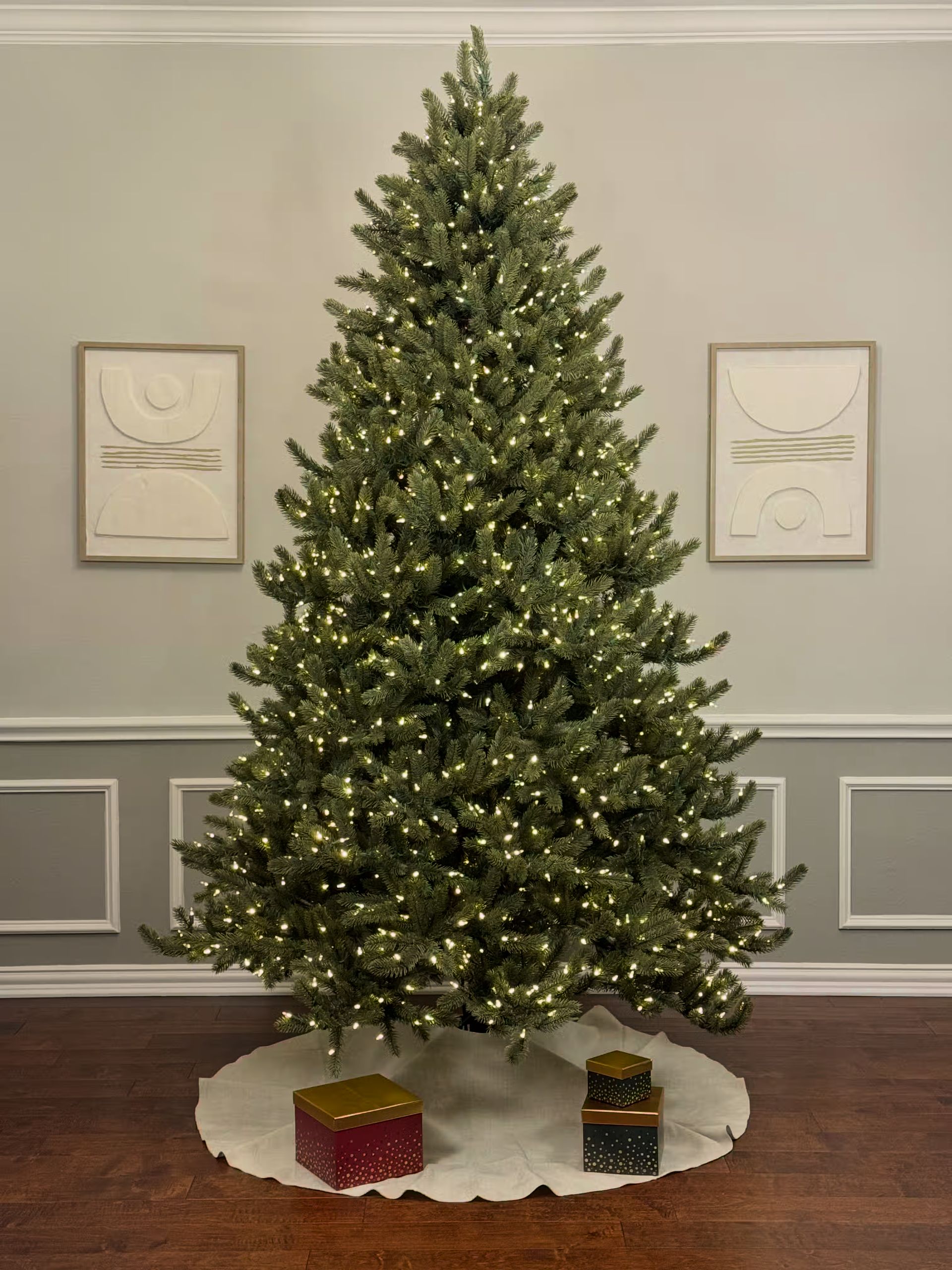
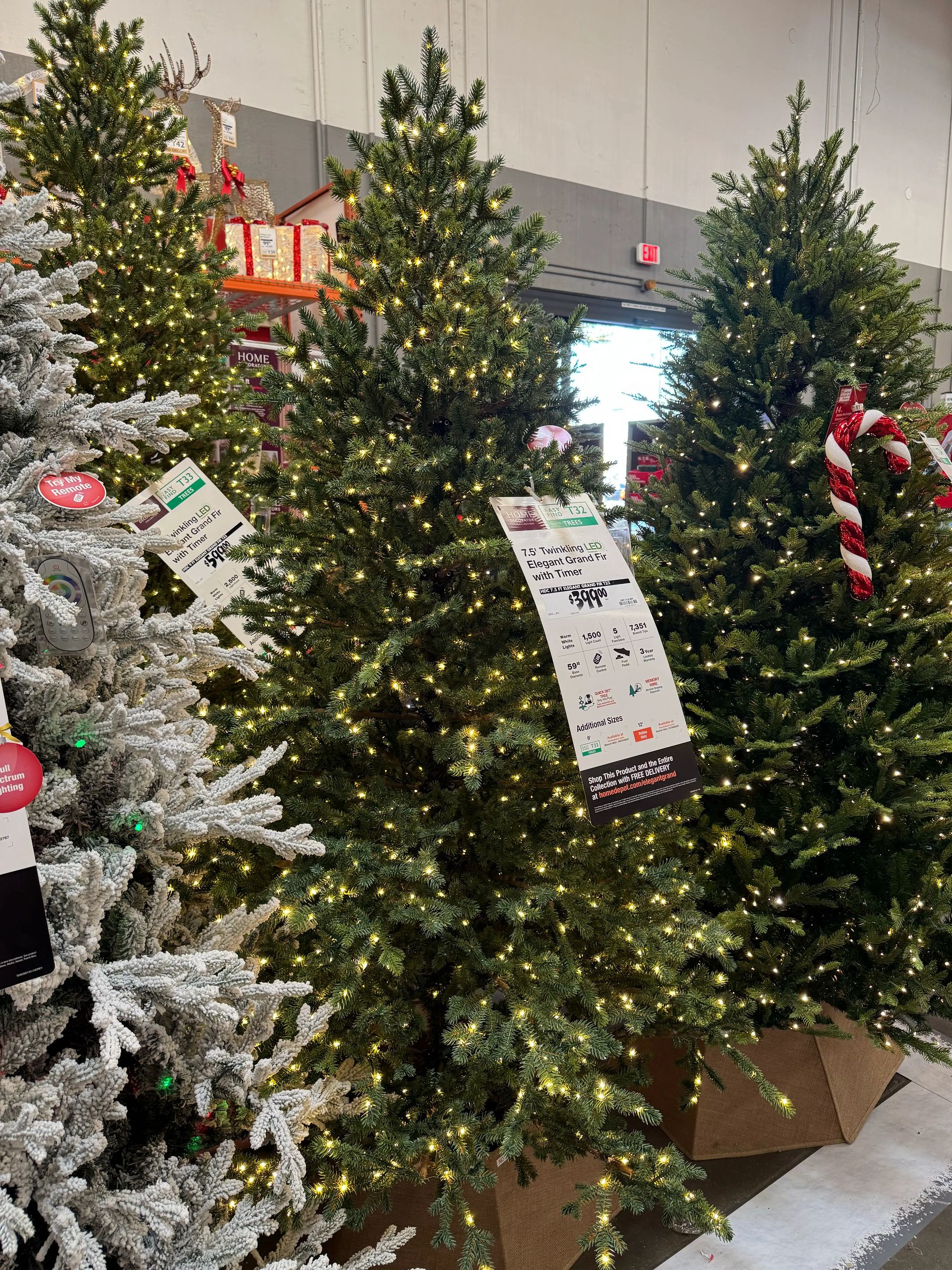
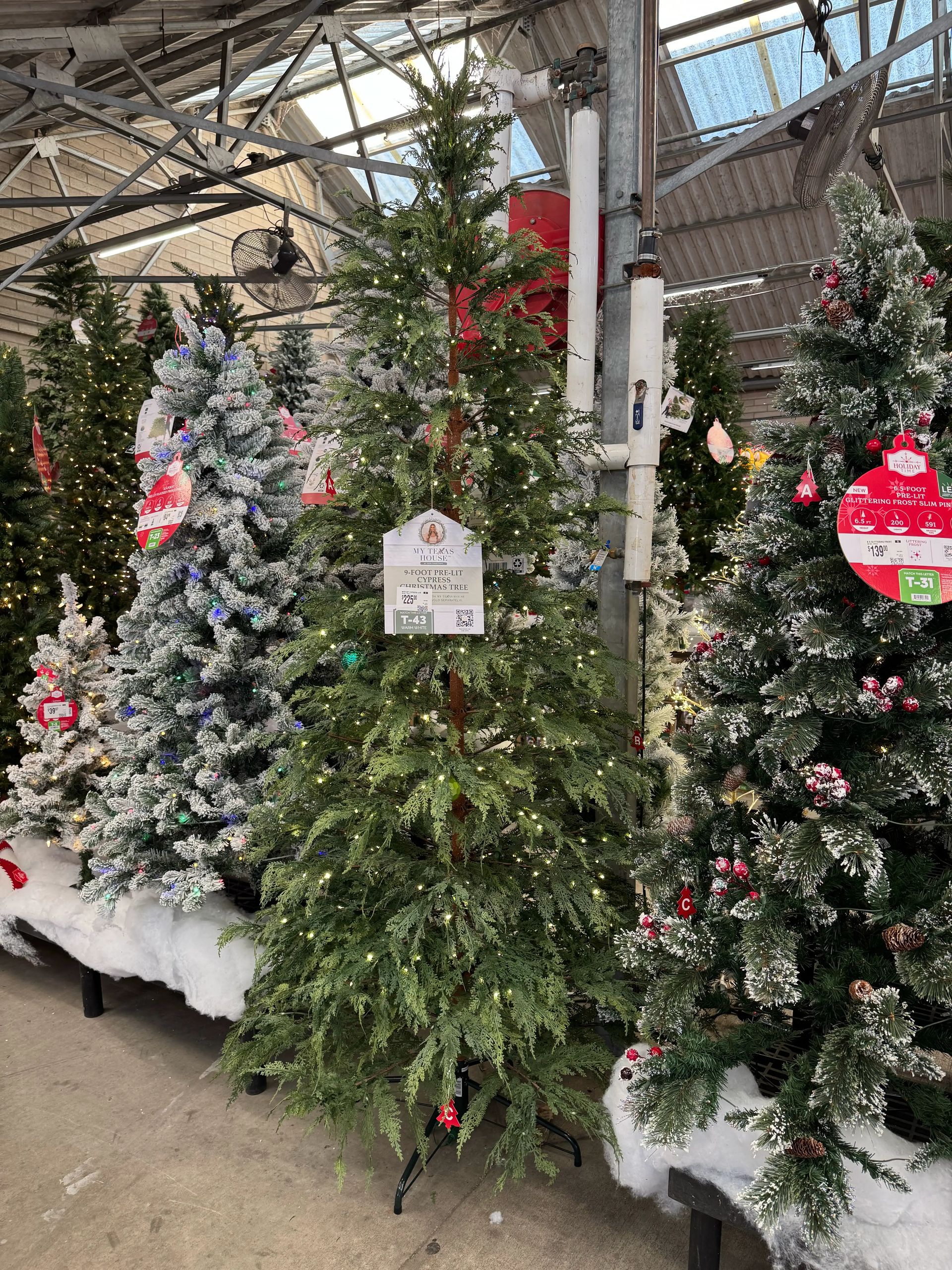
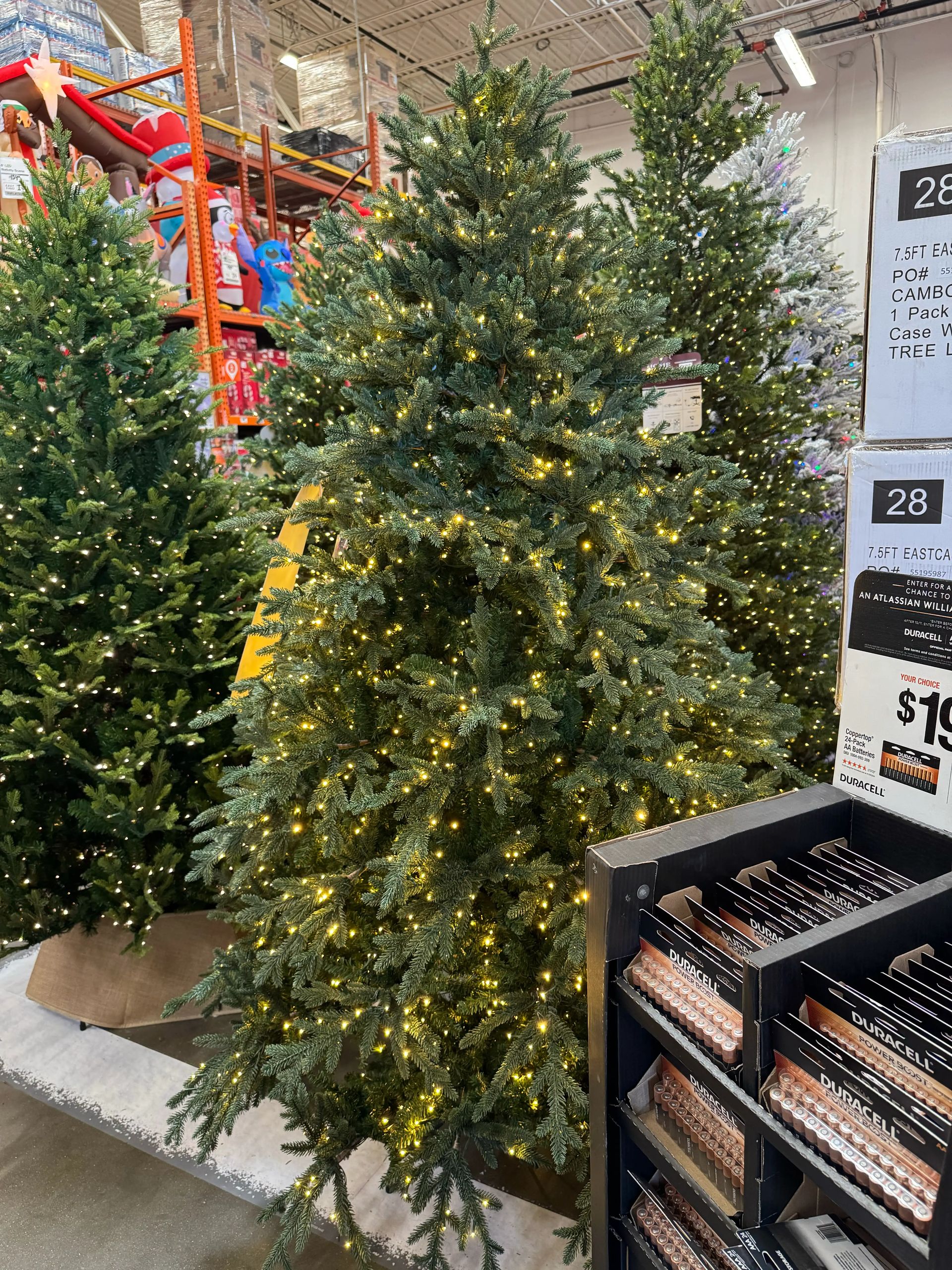
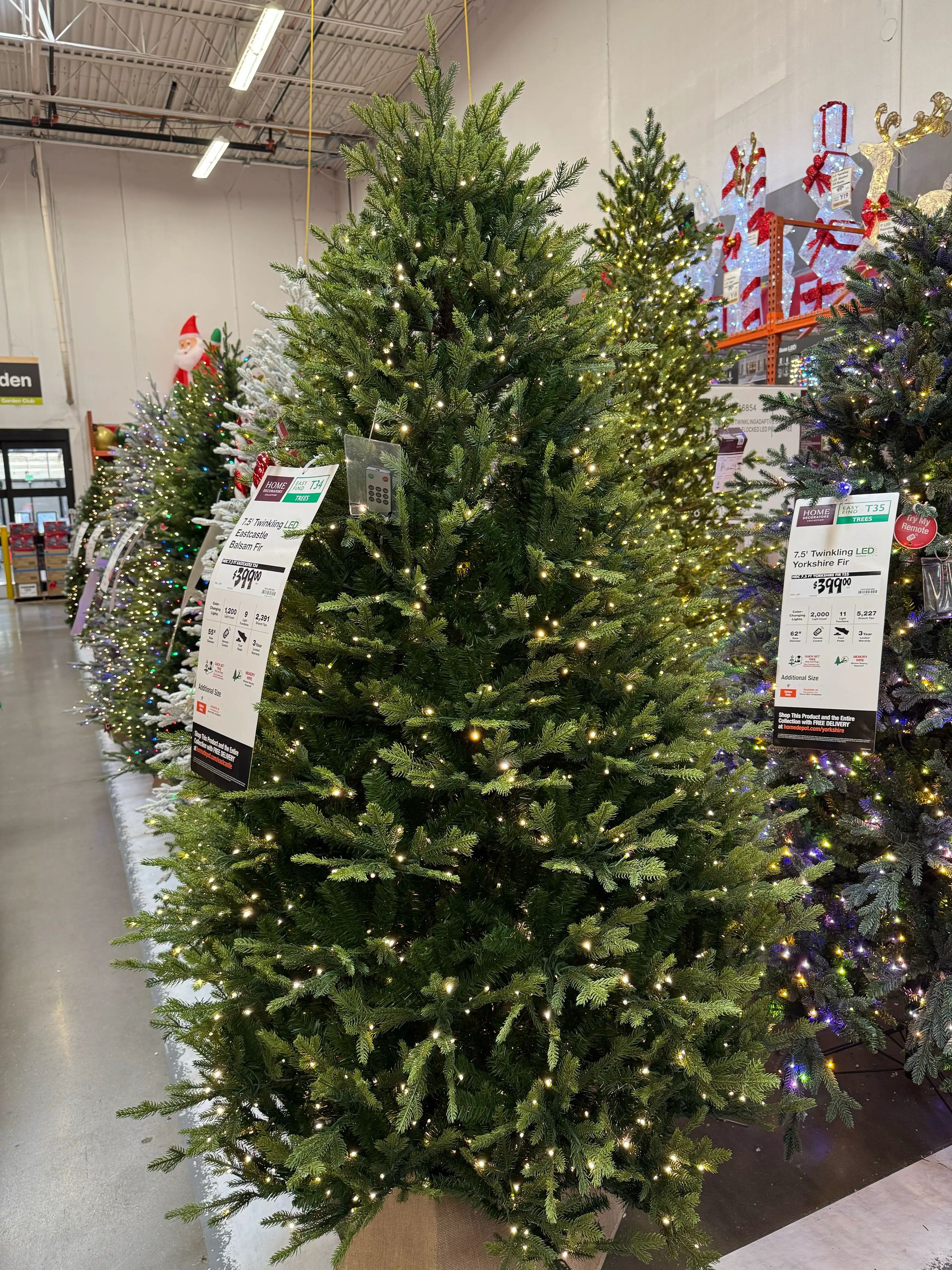
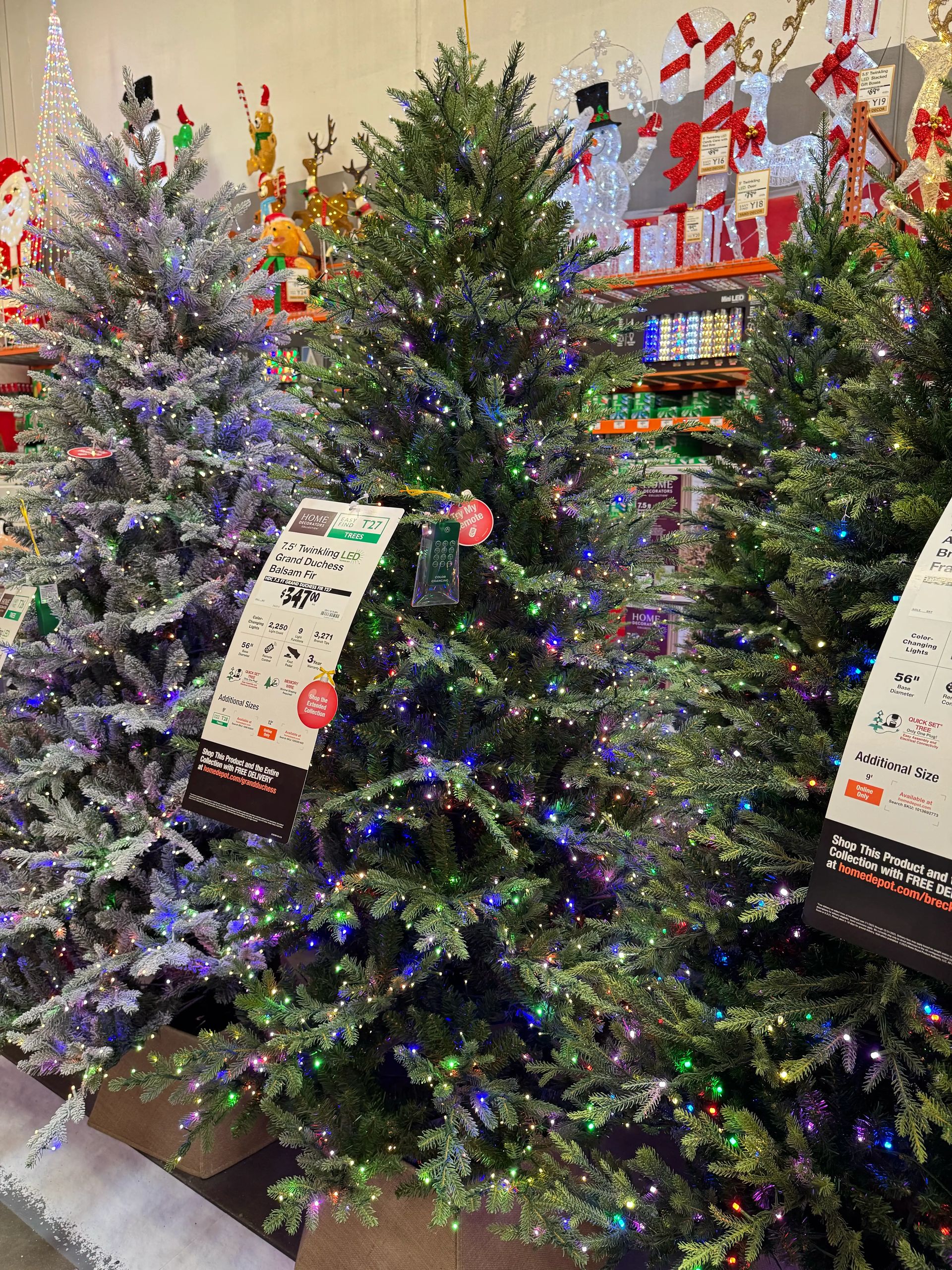
What Makes a Tree "Realistic"?
When people say they want a realistic artificial tree, they usually mean one thing: needles that look and feel like real evergreen foliage instead of shiny plastic. The industry's answer is PE (polyethylene) needles—molded plastic designed to mimic actual tree species.
PE percentage is the most important factor for realism specifically—it measures the ratio of realistic molded polyethylene needles to traditional PVC. A tree with 70% PE has realistic needles on 70% of its branches, with traditional PVC filling the interior. All six picks on this list have at least 50% PE content.
But realism isn't just about PE percentage:
- Branch construction affects depth and natural appearance
- Needle texture and color determine how convincing the tree looks up close
- Overall fullness impacts the natural silhouette
We only include trees we've personally examined. Every tree on this list was evaluated in person—we assessed needle quality, checked PE content against marketing claims, and photographed the construction details. We also synthesize hundreds of verified buyer reviews to identify consistent patterns.
Understanding PE Percentage
PE (polyethylene) needles are injection-molded plastic designed to replicate real tree needles. They feel more natural to touch, have better color variation, and look significantly more realistic than traditional PVC.
What the percentages mean:
- 100% PE: All needles are realistic molded polyethylene. Rare and typically expensive.
- 70%+ PE: Premium tier. Outer branches are PE, minimal PVC. Maximum realism.
- 50-69% PE: Good balance. PE on visible outer branches, PVC filling interior for fullness.
- 25-49% PE: Budget realistic. Some PE for visual impact, mostly PVC.
- 0% PE: Traditional artificial tree. All PVC construction.
Higher PE doesn't always mean better. Trees with strategic PE/PVC mix often achieve better fullness while keeping realistic needles where you see them.